Ag Metrics Group

  • Ag Contract Research
    • Agronomy
    • Biologicals
    • Biostimulants
    • Entomology
    • Genomics
    • Nematology
    • Plant Pathology
    • Precision Agriculture
  • Facilities
    • Pacific Ag Research
    • Florida Ag Research
    • Michigan Ag Research
  • Crops Studied
    • Almond
    • Banana
    • Brassica
    • Citrus
    • Corn
    • Cucurbit
    • Grape
    • Leafy Greens
    • Soybean
    • Strawberry
    • Tomato
  • About
    • About Ag Metrics Group
    • Our Team
    • LATAM Developers Services
    • Asia Pacific Developers Services
    • European Developers Services
  • News & Updates
  • Contact
  • Ag Contract Research
    • Agronomy
    • Biologicals
    • Biostimulants
    • Entomology
    • Genomics
    • Nematology
    • Plant Pathology
    • Precision Agriculture
  • Facilities
    • Pacific Ag Research
    • Florida Ag Research
    • Michigan Ag Research
  • Crops Studied
    • Almond
    • Banana
    • Brassica
    • Citrus
    • Corn
    • Cucurbit
    • Grape
    • Leafy Greens
    • Soybean
    • Strawberry
    • Tomato
  • About
    • About Ag Metrics Group
    • Our Team
    • LATAM Developers Services
    • Asia Pacific Developers Services
    • European Developers Services
  • News & Updates
  • Contact

News & Updates

Winter Greenhouse Assays at Michigan Ag Research: SCN & SDS on Soybean

10/29/2025

 
Picture
​Summary: Michigan Ag Research is accepting projects for winter greenhouse (GH) assays targeting Soybean Cyst Nematode (SCN) and Sudden Death Syndrome (SDS). These controlled studies help product developers and breeders generate decision-ready data before field season.
Why winter GH assays?
Greenhouse assays provide tight environmental control and reliable pathogen/nematode pressure, enabling rapid iteration on formulations, rates, and placements. Running in winter means you can refine programs now and head into spring trials with greater confidence.
What we offer

SCN assays (Heterodera glycines)
  • Standard reproduction assays (eggs/females per root system)
  • Variety resistance screens and product efficacy comparisons
Picture
SDS assays (commonly Fusarium virguliforme)
  • Inoculated disease pressure with consistent symptom expression
  • Foliar severity, root necrosis ratings, vigor, and area-under-disease-progress (AUDPC)
Picture
Study design & execution
  • Protocol development aligned to your objectives
  • Randomized, replicated designs; positive/negative controls
  • Validated inoculum and QC checkpoints

Data & reporting
  • Interim updates with photos
  • Final report with stats (ANOVA, mean separation) and visuals suitable for internal decks or investor updates

Typical timelines
  • Protocol lock-in: 1–2 weeks from kick-off
  • Assay run: ~6–10 weeks depending on endpoint
  • Report delivery: within 1–2 weeks after last rating

Best-fit use cases
  • Seed treatments, biologicals, and chemistries in lead selection
  • Rate optimization prior to field testing
  • Variety resistance characterization and ranking
 
Get started
Tell us your target pest/disease, product class, endpoints, and timeline. We’ll propose a right-sized design with sample sizes, controls, and reporting milestones.
 
Michigan Ag Research (Albion, MI) Contact:
Brian Cortright at (517) 857-2676
[email protected]

FAQs: Winter Greenhouse Assays for Soybean (SCN & SDS)

  1. What problems can you test this winter?
    Soybean Cyst Nematode (SCN) and Sudden Death Syndrome (SDS) in controlled greenhouse conditions.

  2. What endpoints do you measure?
    SCN: eggs/females per root system, root mass.
    SDS: foliar severity and incidence, root necrosis, vigor/biomass, AUDPC.

  3. What is AUDPC and why use it?
    A single metric summarizing disease over time; it captures both severity and duration—ideal for comparing treatments or varieties.

  4. What products/solutions fit these assays?
    Seed treatments, biologicals, chemistries, coatings, and variety resistance screens (early down-selection, rate finding, or head-to-head comparisons).

  5. What organism do you use for SDS?
    Typically Fusarium virguliforme under standardized inoculation to produce consistent symptom expression.

  6. How long does a study take?
    Most GH assays run ~6–10 weeks depending on endpoints, plus 1–2 weeks for the final report.

  7. How are studies designed?
    Randomized, replicated designs with appropriate controls (untreated, grower standard, positive checks).

  8. What do I need to provide to kick off?
    Your objectives, target endpoints, product class, desired comparisons, timing constraints, and sample material (seed/treatments).

  9. What do I receive at the end?
    A report with methods, QC notes, statistics (e.g., ANOVA with mean separation), tables/graphs, raw data files (CSV/XLSX), and photo documentation. Interim photo/status updates available.

  10. Can you fast-track for internal gates or investor updates?
    Yes—ask for a milestone schedule with interim summaries suitable for slide decks.

  11. Do you support blinded or coded samples?
    Absolutely. We can maintain blind codes throughout data collection/analysis on request.

  12. How much material do you need?
    Varies by design; typical ranges are 200–1,000+ seeds per treatment for replicated assays. We’ll specify exact amounts in the protocol.

  13. Can results inform 2026 field trials?
    Yes—GH outputs help rank treatments, rates, and varieties to sharpen your field plan and reduce weak entries.

  14. Data ownership and confidentiality?
    All sponsor-generated data belong to you under our standard CDA/SOW. We do not share or publish without written permission.

  15. Biosecurity & QC—what safeguards are in place?
    Validated inoculum, documented handling, sanitation protocols, check treatments, and pre-defined QC acceptance criteria.

Michigan Ag Research Announces Winter Bioassay Capacity in New Laboratory Facilities

10/25/2025

 
Michigan Ag Research Now Booking Fall & Winter Bioassays
Albion, Michigan - October 25, 2025​. Michigan Ag Research is opening winter bioassay capacity in our new laboratory facilities with access to heated greenhouses, enabling rapid screening, rate determination, and protocol refinement ahead of spring field programs. Sponsors can secure data in as little as 3 weeks from trial initiation (program dependent).
Beyond standard assays, we routinely develop and customize bioassay protocols to match sponsor goals—especially helpful for smaller organizations that want guidance on study design, intake, and analysis.
Why Winter Bioassays
Winter bioassays allow R&D teams to triage candidates, confirm dose–response and effective rates, and streamline decisions before large-scale field trials. By answering key questions under controlled laboratory conditions, only the most promising products advance to greenhouse or field.

Protocol development & customization (for sponsors who want guidance)

We translate your goals into a tight, testable plan:
  1. Clarify decision criteria and convert them to measurable endpoints
  2. Propose rate ranges, replication, and observation intervals
  3. Draft or adapt SOP-level methods (e.g., application technique, handling, reads)
  4. Provide intake checklists (samples, SDS, labeling) and reporting templates
  5. Align timelines to your go/no-go dates; deliver decision-grade data in ~3 weeks (program dependent)

Assay Platforms & Formats
  1. Diet incorporation, detached-leaf, and leaf-disk bioassays
  2. Conducted under controlled laboratory conditions to support repeatability and statistical power
  3. Access to many common insect species (availability confirmed at scheduling)
  4. We can design or customize bioassay protocols to suit specific research goals​
Laboratory Features
  1. Dedicated growth chambers for controlled environmental conditions
  2. Modern laboratory infrastructure for precise application and assessments (e.g., micropipettes, Potter spray tower, custom boom sprayers)
  3. Capacity to run multiple concurrent studies
  4. Custom rearing options for any insect life stage
Picture
Heated Greenhouses for Step-Up Work
Michigan Ag Research’s heated greenhouses support larger-scale confirmations and plant production for laboratory assays, creating a smooth progression from lab → greenhouse → field as needed.

Turnaround & Scheduling
  • Rapid timelines: decision-grade data in as little as ~3 weeks after trial initiation (program dependent)
  • Rolling starts: the winter calendar is now open; start windows are assigned on a first-come basis

Typical Study Designs & Endpoints
  • Rate–response series (4–6 rates plus control)
  • Head-to-head candidate comparisons with internal standards
  • Screening funnels: broad screen → confirmatory follow-up
  • Common endpoints: corrected mortality, feeding inhibition, injury scores; optional knockdown, residual activity, and phytotoxicity notes

Reporting & Deliverables
Sponsors receive a methods summary, raw data, tables/figures, and statistics (e.g., ANOVA/GLM with post-hoc tests), plus an executive summary that recommends rates and next steps.

How to Engage
  1. Share targets and objectives (species, crop/host, assay format, endpoints, timelines).
  2. Receive a design & quote aligned to your decision criteria.
  3. Reserve a start window and ship materials per intake guidance.
  4. Review interim reads (as applicable) and a final report with recommendations.

​Reserve Your Winter Start Window
​Winter start windows are now being assigned.

Michigan Ag Research (Albion, MI) Contact:
Brian Cortright at (517) 857-2676
[email protected]

Matt Hiles at (989) 860-5992
[email protected]

FAQ

What types of winter bioassays can you run?
Diet, detached-leaf, and leaf-disk formats under controlled laboratory conditions, with access to many common insect species; including topical and precision applications and exclusion assays.

How fast can I get results?
Programs can deliver data in as little as 3 weeks from trial initiation, depending on design and endpoints.

Can studies transition to greenhouse or field?
Yes. Heated greenhouses support step-up work and plant production, and studies can progress to field as appropriate.

What study designs are typical?
Rate–response series, head-to-head candidate comparisons, and staged screening funnels with confirmatory follow-ups.

What’s included in the report?
Methods, raw data, summary tables/figures, statistics, and an executive summary with rate recommendations and next steps.

Michigan Ag Research: In the Midwest: Acreage Expansion, Equipment Acquisition, New Construction

6/30/2021

 
Michigan Ag Research logo - Ag Metrics Group

  • Additional 150 acres purchased by Michigan Ag Research
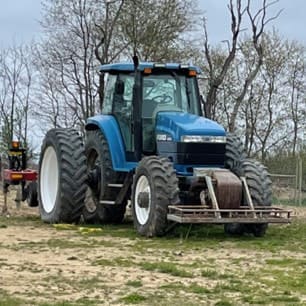
  • New heavy-duty New Holland tractors acquired this year
  • New laboratory, shop, and dormitory under construction
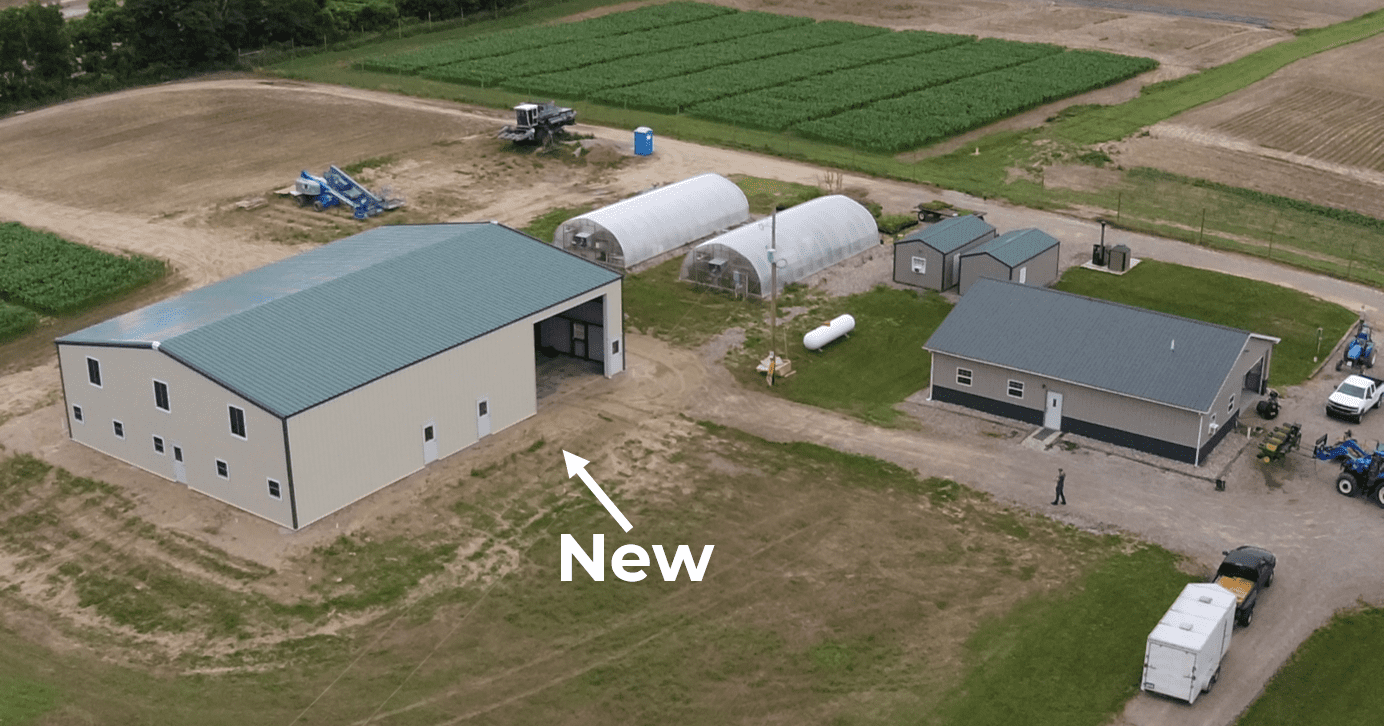
New 9,700 square foot LAb, Dorm and Shop facility at Michigan Ag Research
New 7,500 sq. ft. Laboratory, Dormitory & Shop
Land: We are proud to announce that Michigan Ag Research (MAR) is now over 200+ acres of irrigated and deer-fenced research farm land. With the addition of this new acreage, MAR can conduct much larger trials, provide more opportunities for crop rotational studies, and even fallow plots where protocols require.

Ag Metrics Group divider
Equipment: Michigan Ag has added two additional New Holland tractors to complete our fleet of light, medium, and heavy-duty tillage and spray tractors. The purchase now allows us to quickly install crop plantings for last-minute projects and to work around inclement weather.
New Holland HD tractors - Michigan Ag Research - Ag Metrics Group
Ag Metrics Group divider
Facilities: To advance toward our objective of having a best-in-class, office/lab campus at Albion, MAR is now in the final stages of construction of a massive 7,500 sq. ft. structure, which will include:
  • Specialized entomology lab facilities
  • Nematology soil extraction and microscopy rooms
  • Low humidity storage rooms for electronics and sensors 
  • Dormitory rooms allowing for on-site technician resources
  • Equipment shop for maintenance of tractors and implements

    How can we help you?

    CAREERS - Click Here

    Archives

    November 2025
    October 2025
    September 2025
    May 2025
    February 2025
    January 2025
    October 2024
    September 2024
    August 2024
    April 2024
    February 2024
    January 2024
    November 2023
    August 2023
    February 2023
    January 2023
    October 2022
    June 2022
    January 2022
    July 2021
    June 2021
    May 2021

    Categories

    All
    Abamectin
    Ag Metrics Group
    Ag Research
    Agronomic Research
    Agronomy
    Almond Bacterial Blast
    Almonds
    Anaerobic Soil Disinfestation
    APHIS PPQ/BRS Research
    APHIS-PPQ/BRS Research
    APHIS Quarantine
    Apples
    Azadirachtin
    Balaji Aglave
    Banana Field Trials
    Banana Greenhouse Trials
    Beauveria Bassiana
    Bioassay Services
    Biostimulants
    Black Sigatoka
    Blossom Blight
    Brad Booker
    Brassica Downy Mildew (Hyaloperonospora)
    CA
    California Fog Belt
    Capsicul Oleoresin
    Charlie Boone
    Chilli Thrips
    Citrus Greening
    Controlled Environment Agriculture
    Crop Rotation Studies
    Custom Bioassay Protocol
    Cyantranilprole
    Dan Lawrence
    Disease Resistance Screening
    Downy Mildew
    Entomology
    Entomology Bioassay
    Entomophagous Nematodes
    Erin Rosskopf
    Field Trials
    Five Points
    Florida Ag Research
    Florida Strawberry
    Foliar Diseases
    Frankliniella Occidentalis
    Frank Sances
    Fungicide Alternatives
    Fungicide Efficacy Testing
    Fungicide Resistance Monitoring
    Fungicide Resistance Testing
    Fusarium Wilt
    Germplasm Disease Phenotyping
    GLP Services
    Grapes
    Greenhouse
    Greg Brittain
    High Density Apple Plantings
    High Pressure Fungal And Bacterial Test System
    HLB
    Huanglongbing
    Hydroponics
    Imidacloprid
    INS Virus
    Kaleb Williams
    Laboratory Bioassay
    Late Blight
    Leafy Greens
    Lettuce Downy Mildew (Bremia Lactucae)
    Marja Koivunen
    Mark Keeley
    Methyl Bromide
    Michigan Ag Research
    Nematodes
    Nematology
    Neopestalotiopsis
    Neopestalotiopsis Rosae
    Onion Downy Mildew (Peronospora Destructor)
    Organic
    Organic Growers
    Oscar Cuevas
    Ovicidal Efficacy
    Pacific Ag Research
    Panama Disease
    Pestalotiopsis
    Pyrethrum
    Pythium
    Samuel Sances
    San Joaquin Valley
    Scirtothrips Dorsalis
    SCN Assay
    Septoria Apiicola (celery Late Blight)
    Solarization
    Soybean Cyst Nematode Test
    Soybean Greenhouse Assay
    Strawberry
    Strawberry Disease
    Sudden Death Syndrome Soybean
    Sugarcane
    Sugarcane Brix
    Sugarcane Lodging Reduction
    Tar Spot
    Thrips
    TR4
    Turf & Ornamental
    Two-spotted Spider Mite
    USDA
    Viticulture
    Western Flower Thrips
    Winter Bioassay
    Winter Greenhouse Research

    RSS Feed

Ag Metrics Group logo - Formerly Pacific Ag Group
(805) 594-1800 • [email protected]
1840 Biddle Ranch Road • San Luis Obispo • California 93401
Pacific Ag Research
Florida Ag Research
Michigan Ag Research
Entomology | Plant Pathology | Nematology | Agronomy | Precision Agriculture
Crops | About Us | Careers | Contact
A proud American-owned company since 1980
©2021 Ag Metrics Group, Inc. All Rights Reserved.
​Terms & Conditions | Privacy Policy | Accessibility